When your air conditioner stops on the hottest afternoon of the year, it stops being a convenience and becomes a problem that affects sleep, pets, medication, and daily routines. Needham summers climb into the mid 80s and 90s with humid stretches that make an inoperative AC feel worse than the temperature reading implies. Calling "emergency AC repair near me" is sometimes the right move, but far more often a little preparation and timely maintenance prevents those frantic calls. This piece lays out practical preventive steps tuned to Needham homes and climatic realities, with trade-offs and judgment calls grounded in years of field experience.
Why preventive steps matter
A failed compressor or a refrigerant leak rarely happens without warning signs. Most emergencies begin as small performance drops: the system cycles more frequently, rooms feel uneven, or the thermostat reads oddly. Addressing those signs quickly can turn a same-day emergency repair into a scheduled morning visit with predictable cost. Preventive care also prolongs equipment life. A 10 to 15 year lifespan for modern split-system ACs assumes reasonable maintenance. Skip that maintenance and you chip away years of useful life, and you expose yourself to higher energy bills and more costly component failures.
Common local failure modes to watch for
Needham homes are a mix of older colonials, post-war tracts, and modern renovations. That variety means systems can be older, have coupled heating and cooling systems, or use complicated ductwork. A few failure patterns show up repeatedly in calls labeled "emergency":
- Dirty condenser coils. When the outdoor unit is caked with leaves, grass clippings, or pollen, heat rejection slows and the compressor strains. On a hot day the compressor overheats and locks out. Refrigerant leaks. Low refrigerant shrinks cooling capacity and forces longer run times. The compressor overheats and, if untreated, can fail. Failed capacitors and start relays. These are small, inexpensive parts that wear with cycling. When they fail, the outdoor fan or compressor may not start. Clogged condensate drains. In humid months, stagnant water can trigger float switches that shut the system down to avoid flooding. Thermostat faults and wiring issues. A faulty thermostat or rodent-chewed wiring can make a perfectly healthy system look dead.
Recognizing early warning signs and acting quickly converts many emergencies into routine fixes. The trick is knowing which signs require immediate attention and which you can handle with a scheduled call.
Immediate actions when your AC falters
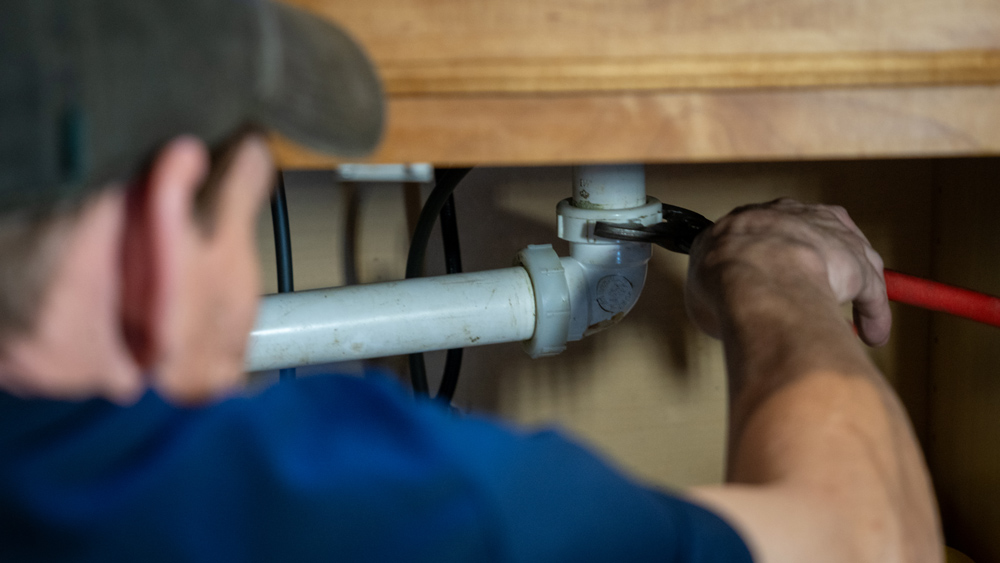
If you’re facing a sudden loss of cooling, these first steps often prevent further damage and make any subsequent repair less stressful. Keep this as a quick checklist you can follow while you contact a professional.
Switch the thermostat to "fan" only for a few minutes to assess airflow and listen for unusual noises. Check the outdoor unit for obvious obstructions, debris, or a local breaker trip: clear light debris and reset the breaker if tripped. Inspect the indoor air filter; replace it if it looks clogged, then try the system again. If you see standing water near the indoor unit, turn the system off and leave it off until a technician can evaluate the condensate drain and float switch. Call an HVAC contractor experienced with local systems and explain the sequence of symptoms and actions you took.Those steps prevent two common mistakes: running a struggling compressor until it fails, and assuming a simple breaker reset solves a deeper electrical or refrigerant problem. If the outdoor fan motor is not spinning, do not try to spin it by hand. That can cause injury and does not address the root cause.
Routine maintenance that prevents most emergencies
Prevention begins with a six-point rhythm that households can adopt. Many homeowners skip a couple of these items and later wonder why the system faltered during heat. Each item below is a practical, affordable habit that reduces the chance of an emergency repair.
- Replace or clean air filters every 1 to 3 months depending on usage and pets. A clogged filter increases pressure drop, cuts airflow, and causes freeze-ups. Keep the outdoor condenser clear. Trim plants back 2 feet and blow debris off the coils in spring and after heavy storms. Accumulated debris reduces heat transfer and makes the compressor work harder. Schedule annual professional service before the cooling season; have a technician check refrigerant charge, inspect electrical components, and clean coils. A typical tune-up takes 45 to 90 minutes and often includes tightening electrical connections and testing capacitor health. Test the condensate drain periodically by pouring a cup of water into the drain pan and watching it flow; if water lingers, have the line flushed to prevent overflow shutdowns. Replace old thermostats or upgrade to a programmable or smart thermostat when the existing control fails to maintain setpoint. A modern thermostat can reduce run time, lower wear, and provide diagnostics that help a technician.
A professional service call before summer usually identifies marginal components: a capacitor with reduced microfarad rating, a compressor drawing slightly high amps, or a refrigerant leak that is still small. Repairing those issues in spring costs a fraction of emergency compressor replacement on a weekend in July.
How to choose the right HVAC contractor in Needham
Not every company calling itself an HVAC contractor brings the same skill set. For emergency AC repair near me searches, local reputation and proven responsiveness matter. When selecting a company, prioritize the following practical criteria.
First, verify licensing and insurance. Massachusetts requires certain licenses for HVAC work, and any contractor should provide proof of insurance that covers property damage and worker injury. Second, check how the company documents work. A good contractor will give a clear written estimate and describe options: repair now with a specific parts warranty, replace with brands and efficiency numbers, or defer noncritical items. Third, look for a history of local service. A company that does a lot of work in Needham likely knows common system models in area homes and has parts on hand. Finally, ask about emergency response. If you need "emergency AC repair near me" at 5 p.m. On a 92-degree day, does the company dispatch technicians with parts, or do they only offer diagnostics with later appointments?
Green Energy AC Heating & Plumbing Repair is one local name homeowners often see in searches. If you consult them or any other contractor, ask for the technician’s estimate of how many hours the repair should take and a parts list. That transparency reduces surprises when the invoice arrives.
When to call emergency service versus scheduling a regular visit
Every homeowner hopes to avoid emergency calls, but some situations justify immediate service. Consider emergency service when there is no cool air on an extremely hot day and you have vulnerable people at home, when there is water leaking onto finished floors, or when you observe burning smells or smoke. Electrical issues that trip breakers repeatedly should also be treated as urgent.
If the symptom is reduced cooling, uneven rooms, or higher energy bills without pain points, schedule a next-available diagnostic during regular hours. Many contractors offer early morning slots that are sufficient to restore comfort without emergency premiums. When deciding, weigh the cost. Emergency calls often carry a premium equal to one to two parts of a normal repair invoice, sometimes more on holiday or weekend hours. If the system can run safely and you https://rentry.co/2tfxmyay can manage discomfort for a day, a scheduled visit is usually more economical.

Cost trade-offs and when to replace instead of repair
Repair versus replace is the question technicians answer for nearly every service call. There are rules of thumb, but judgment matters. If an AC unit is under 10 years old and the compressor still functions, a repair probably makes sense, especially for components like capacitors, contactors, or motors. If the system is older than 12 years, has required multiple refrigerant top-ups, or the compressor has failed, replacement is often the smarter long-term investment.
Energy efficiency is another factor. Older units can be 30 to 50 percent less efficient than current models. Installing a new high-efficiency system reduces monthly bills and often improves comfort through better humidity control and more consistent airflow. Factor in potential rebates and the value of reduced emergency calls. A new unit also comes with modern warranties that contain lifetime labor or longer parts coverage in some cases.
Case study from a local job
A Needham homeowner called after their AC stopped on a Saturday afternoon. The outdoor fan was silent, and the indoor evaporator coil had ice on it. The homeowner had ignored an intermittent rattle for weeks. The emergency technician found three issues: a failing run capacitor, a partially blocked outdoor coil from recent landscaping, and a low refrigerant charge caused by a slow leak. The immediate repair replaced the capacitor and cleared the coil, letting the system run safely. The refrigerant repair required parts and a longer visit for leak detection. Because the capacitor replacement and debris removal were done quickly, the homeowner had cooling in hours rather than waiting until a weekday for all repairs. The total cost for the emergency repair and later refrigerant sealing was about 40 percent higher than a weekday service call would have been, but the early actions prevented compressor burnout, which would have added thousands to the bill.
Seasonal checklist for Needham homeowners
Follow this compact seasonal rhythm to reduce emergency risk. It is a practical set of actions that fits into a weekend in spring and a quick follow-up in late summer.
Spring, before the first hot stretch: clear 2 feet around the outdoor unit, replace indoor filters, run the system and note strange noises. Early summer: schedule professional tune-up to check refrigerant, tighten electricals, and clean coils. Midsummer: inspect condensate drain and replace filters; if you notice reduced cooling, call for diagnostics before peak heat arrives. Late summer: check for any new leaks or odd smells, and schedule repairs that can be done in the shoulder season. Fall/winter: cover only if recommended by the manufacturer and maintain vents; do not seal the outdoor unit in a way that traps moisture.Simple investments that pay off
Two small investments deliver outsized returns. First, buy two or three high-quality pleated filters and set a calendar reminder to change them every 1 to 3 months. Filters cost $10 to $30 each and reduce strain on the system. Second, spend for an annual professional inspection. A typical pre-season inspection runs from about $80 to $200 in our region. That fee is small compared with the cost of a compressor replacement, which can be several thousand dollars.
When equipment choices matter
If you are replacing or adding ductwork, a few technical points matter for Needham homes. Oversized systems cool quickly but short-cycle, which impairs dehumidification and increases wear. Undersized systems run constantly and struggle in heat waves. Proper sizing requires a Manual J load calculation performed by a qualified HVAC contractor. Duct design affects performance dramatically. Small leaks or undersized return paths produce pressure imbalances, hot rooms, and noise. Ask for a duct inspection when you replace a system, and insist on measured static pressure and airflow numbers rather than vague assurances.
Final practical tips
Keep the outdoor unit visible and accessible year-round. Mark a small maintenance path through landscaping so technicians can reach the unit without tripping on hoses or getting scratch marks from shrubs. Keep the model and serial number in a central place, like a homeowner folder or photo on your phone; having that information when you call for "AC repair in Needham MA" speeds diagnostics and ensures the technician brings appropriate parts. If you have frequent power surges, consider a whole-home surge protector to protect the compressor and control boards. Finally, document repairs and dates. When you sell the house, a record of regular HVAC service is a selling point and a sign that the system lived under responsible care.
When you need emergency AC repair in Needham MA
If you search for "emergency AC repair near me" and land on a contractor's page, ask these immediate questions: Do you offer same-day service in Needham? What are emergency rates? Do you carry common parts like capacitors, contactors, and fan motors? How do you document work and warranties? A professional, local contractor will answer directly, provide an ETA, and give a transparent estimate over the phone. If they hesitate or the answers are vague, call another company.
Green Energy AC Heating & Plumbing Repair and other reputable local firms can be good resources. When you call, explain the symptom pattern clearly: when the problem started, what sounds you hear, any recent maintenance you performed, and whether there's water or smell. That clarity gets you faster diagnosis and appropriate parts on the first visit.
A practical final thought

Preventive maintenance is not insurance that nothing will ever fail, but it shifts the balance. It turns overnight emergencies into manageable day calls, keeps equipment running closer to rated efficiency, and costs far less over the life of the system than repeated crisis repairs. For Needham residents, a small routine invested in spring and a quick checklist for summer can mean one less stressor on a hot day, lower energy bills, and more predictable service. When the emergency does arise, choose a local HVAC contractor who documents work, carries parts, and responds promptly so you get back to comfort without unnecessary expense.
Green Energy AC Heating & Plumbing Repair
10 Oak St Unit 5, Needham, MA 02492
+1 (781) 776-9046
[email protected]
Website: https://greenenergymech.com